

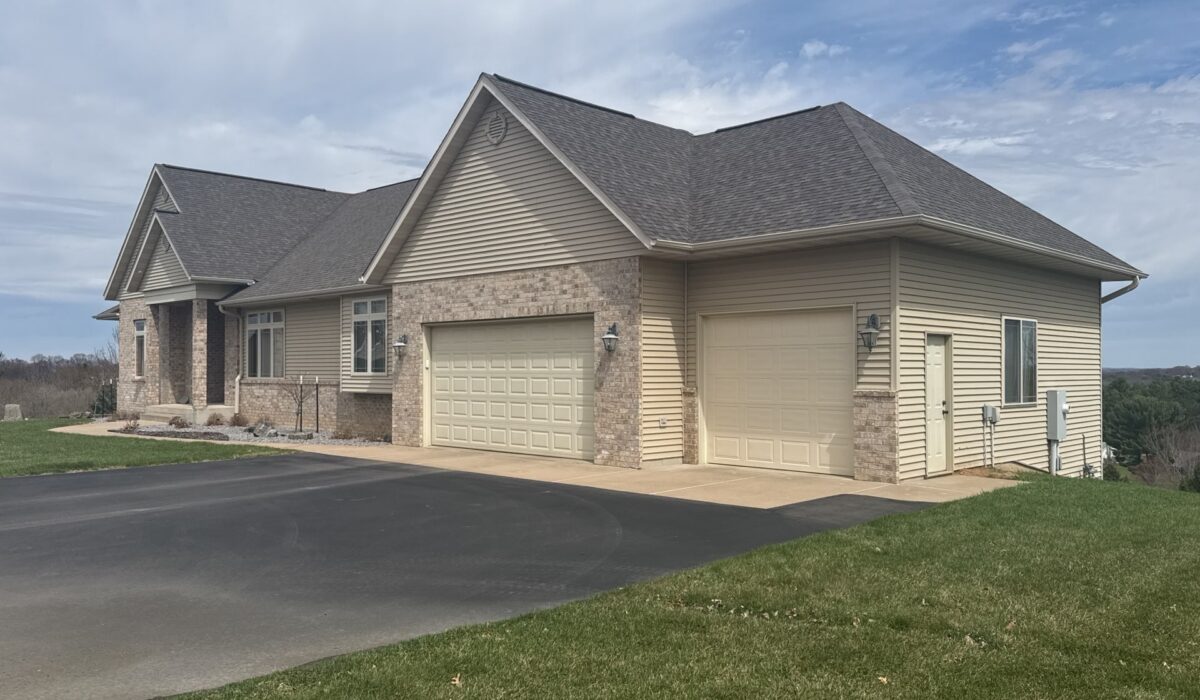
Key Takeaways / Summary:
- Proper flashing prevents severe water intrusion around valleys and chimneys.
- Continuous roof ventilation importance lies in stopping ice dams and heat buildup.
- Correct drip edge placement and nailing patterns protect structural decking and preserve warranties.
Many contractors promise top-tier craftsmanship, but hidden shortcuts can compromise your entire home. Cutting corners on a roof means skipping crucial steps like precise flashing, balanced intake and exhaust ventilation, and exact nailing patterns to save time or materials.
Red Oak Exteriors builds every roofing system with meticulous detail to keep local homes safe, dry,
Standing Up to Harsh Wisconsin Weather: Flashing Done Right
Flashing acts as the primary defense against water penetration at the most vulnerable points of your roof line. Roof valleys, chimneys, and dormers direct large volumes of runoff during heavy rain or melting snow. Rushing through flashing installation usually involves applying cheap sealant instead of custom-fitting metal pieces.
When contractors skip proper step flashing or valley installation, water slowly works its way behind the shingles. In the Chippewa Valley, winter freeze-thaw cycles worsen these small gaps. Ice expands in tiny cracks, widening them season after season. Unseen leaks rot wood framing, destroy insulation, and lead to costly structural damage inside your home long before water stains appear on your ceiling.
Keeping Your Decking Dry: How Airflow Extends Your Roof’s Lifespan
A roof requires balanced intake and exhaust airflow to maintain a healthy home environment. Cold air must enter through the soffits and escape through ridge vents at the peak. Skimping on proper ventilation leads to trapped heat and moisture in the attic space.
During extreme West-Central Wisconsin winters, poor attic ventilation causes warm indoor air to rise and melt snow on the roof deck. That water runs down and refreezes at the cold eaves, forming destructive ice dams.
In summer, trapped attic heat bakes shingles from below, causing premature curling and cracking. Balanced airflow regulates attic temperatures year-round, extending the lifespan of your materials and saving thousands in early replacement costs.
Shielding Your Fascia and Decking: Precision Drip Edges and Manufacturer Nailing
Drip edge installation plays a massive role in preserving the perimeter of your home. This angled metal flashing guides water away from the roof edge and directly into the gutters. Installing drip edge incorrectly, or leaving it off entirely, allows water to wick back into the roof deck and rot the fascia boards. Over time, moisture undermines the support structure of your entire gutter system.
Nails must be placed with perfect accuracy. Manufacturers provide specific rules for where, how deep, and at what angle each nail goes to keep shingles from blowing off in high winds. If a nail is driven too deep, it can puncture the shingle; if it isn’t deep enough, the nail head can stick up and tear the shingle above it. Incorrect nailing destroys wind protection and cancels your warranty, leaving you stuck with the bill if a storm hits.
Schedule Your Free Estimate with Eau Claire’s Trusted Exterior Experts
Choosing short-term savings over quality craftsmanship often leads to expensive repairs down the road. High-grade materials only perform as well as the hands installing them. Investing in exact specifications, comprehensive flashing, and proper ventilation guarantees lasting durability for your property!
Our team takes pride in transparent, local service that keeps your home safe in every season. Ready to protect your investment with a roof built the right way? Get a Free Quote from our team today to discuss your roofing needs.